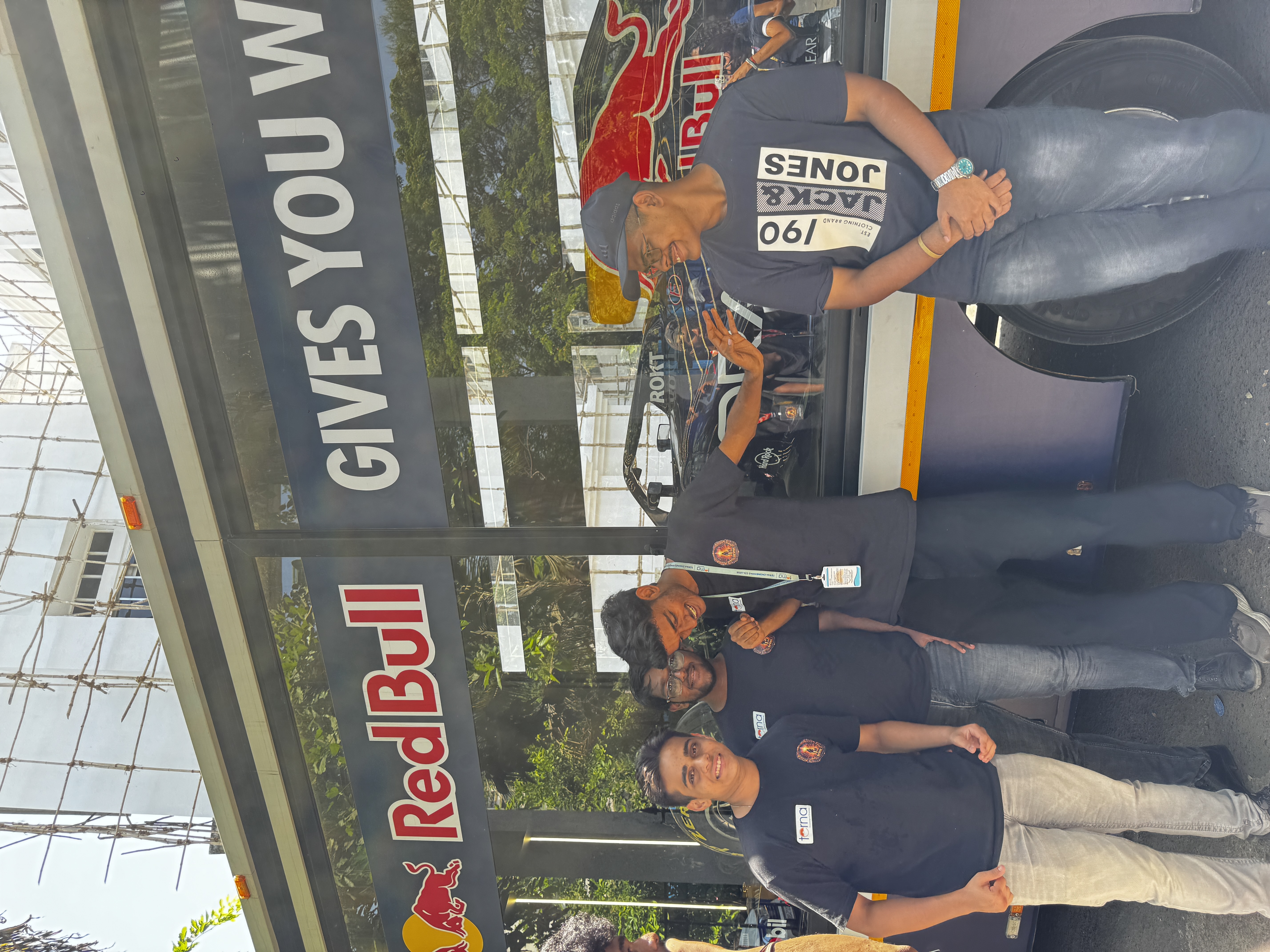
Every brand brief we get starts the same way: "we want to go viral with college students." Almost none of them ask the more useful question — why does a nineteen-year-old decide to trust one brand over another in the first place?
We've run activations across dozens of campuses over the last few years, and the pattern is consistent. Trust isn't won with reach. It's won with proximity — being physically or culturally close enough that the brand feels like it belongs in the room, not like it bought its way in.
Showing up beats shouting
A brand that sponsors the right five-minute moment at a fest — the one everyone is already talking about — earns more goodwill than one that plasters its logo across every banner on campus. Presence reads as confidence. Over-saturation reads as desperation.
This is the single biggest miscalculation we see from bigger brands entering the campus space: they treat visibility as the goal, when visibility without relevance just gets tuned out.
What "trying too hard" looks like
- Scripted enthusiasm. Brand reps reciting talking points instead of having an actual conversation.
- Borrowed slang. Copy that reaches for youth language a beat too late.
- Transactional presence. Showing up only to collect data or sell, with nothing else on offer.
None of these are fatal on their own. Stacked together, they're what makes a stall on a fest ground feel like a stall, instead of something students actually want to walk up to.
Building the trust that lasts past the event
The activation itself is only the visible part. What compounds over semesters is whether a brand keeps showing up in ways students recognize — same energy, same respect for their time, no bait-and-switch between the fun on-ground moment and the marketing follow-up.
Three things we tell every client
Consistency across touchpoints matters more than the size of any single touchpoint. A modest but well-run activation, repeated across a few campuses over a year, builds more durable trust than one large one-off spend. And the fastest way to lose it is to disappear the moment the campaign budget runs out.
That's the whole game, really — not being the loudest brand at the fest, but being the one people expect to see again next year.